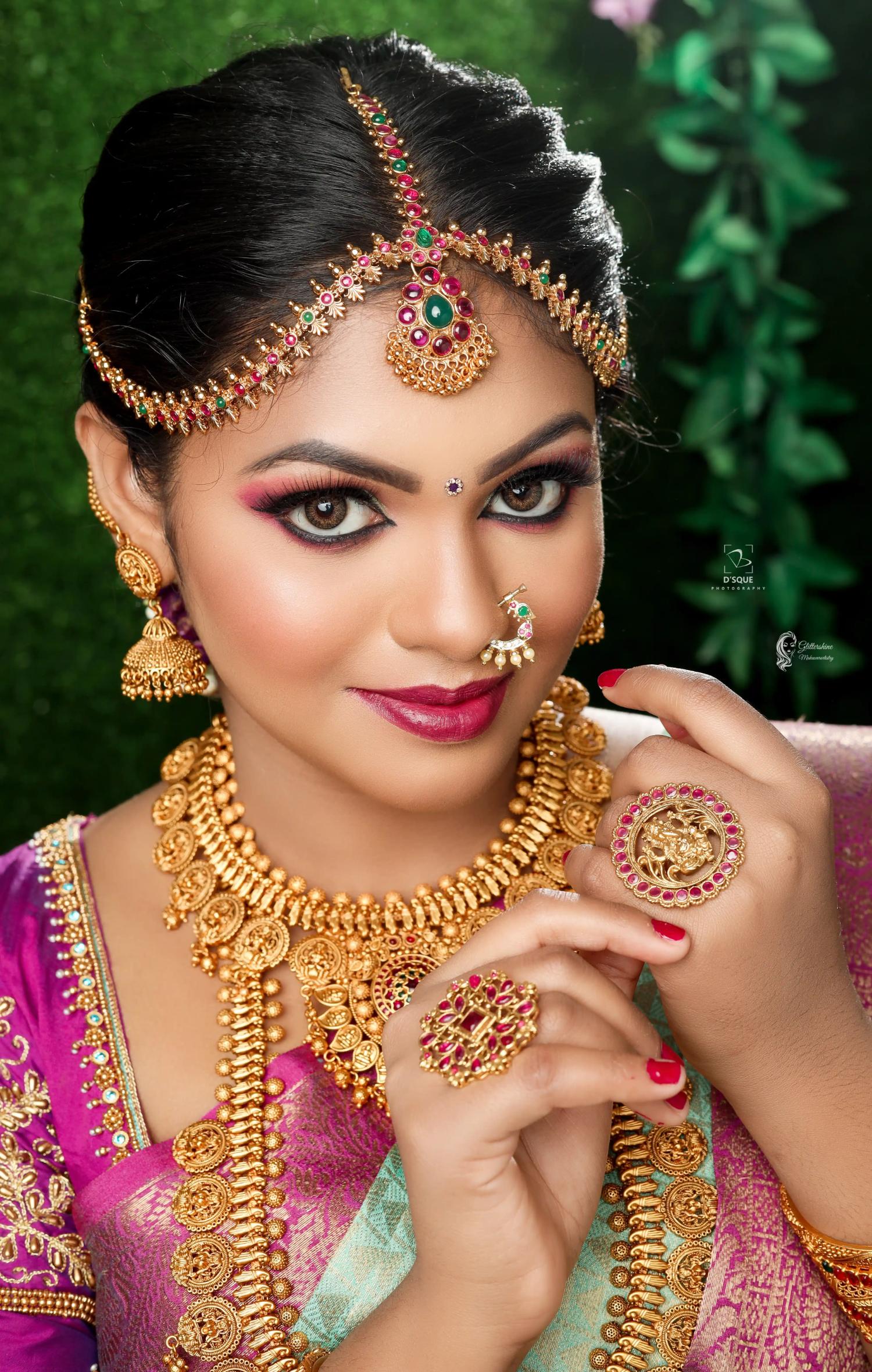
A saree looks completely different depending on how it's draped — the same fabric can sit elegant and structured or fall loose and awkward within minutes. This course covers the main draping styles used across South India and beyond, along with how to adapt a drape to different body types and occasions, with real practice time on live models rather than just watching a demonstration.
Course Content
-
1
Introduction to Saree Draping Understanding the history and significance of sarees in Indian culture, along with the different types of fabrics and saree styles.
-
2
Saree Selection Learning how to choose the right saree for different occasions, body types, and personal styles, including fabric choices and color coordination.
-
3
Basic Draping Techniques Mastering fundamental draping techniques for popular styles, including the Nivi, Bengali, and Gujarati drapes, with step-by-step guidance.
-
4
Accessories and Styling Exploring how to enhance a saree look with the right accessories, such as blouses, jewelry, and footwear, to create a cohesive appearance.
-
5
Innovative Draping Styles Learning contemporary and creative saree draping techniques, including one-shoulder drapes, layered draping, and modern interpretations to keep up with fashion trends.
-
6
Body Types and Draping Understanding how to drape sarees to flatter different body types, ensuring each student can create a customized look that enhances their figure.
-
7
Practical Application Engaging in hands-on practice sessions to perfect draping techniques on live models, building confidence and expertise.
-
8
Caring for Sarees Gaining insights into the proper care and maintenance of different saree fabrics to ensure longevity and beauty.
By the end of the course, you should be able to drape a saree confidently in several styles and adapt the drape on the spot for a client's body type, outfit and occasion — useful whether you're working bridal functions or building a broader styling skill set.
Frequently Asked Questions
Which draping styles are covered in the course?
The course covers foundational styles such as Nivi, Bengali and Gujarati drapes, along with more contemporary styles like one-shoulder and layered draping.
Is this course useful if I want to specialise in bridal styling?
Yes. Saree draping is a common part of bridal and reception styling work, so this course pairs well with our bridal makeup and hairstyling training.
Do I need my own sarees to practise with?
Practice requirements vary by batch. Our team will let you know what's provided during training and what you may need to bring before you join.